The Bible speaks about money in many places across both the Old and New Testaments. Key passages include teachings in Proverbs about wisdom and wealth, the words of Jesus about money and the heart, and instructions in the New Testament about giving, stewardship, and trust.
Old Testament Passages About Money
The Old Testament introduces wealth as part of life while also warning about its misuse.
“…And Abram was very rich in cattle, in silver, and in gold.”
Genesis 13:2 (KJV)
This shows that wealth itself is not presented as sin.
“…Thou shalt remember the Lord thy God: for it is he that giveth thee power to get wealth…”
Deuteronomy 8:18 (KJV)
This passage connects wealth with God’s provision, while also reminding that it is not self-generated.
These early references establish that money and possessions are part of life, but they are not the ultimate source of security.
Proverbs on Wealth and Wisdom
The book of Proverbs contains some of the most concentrated teaching on money.
“…The blessing of the Lord, it maketh rich, and he addeth no sorrow with it.”
Proverbs 10:22 (KJV)
“…He that trusteth in his riches shall fall…”
Proverbs 11:28 (KJV)
“…Better is a little with righteousness than great revenues without right.”
Proverbs 16:8 (KJV)
These verses highlight a consistent pattern:
- Wealth can be good
- Trusting in it is dangerous
- Righteousness matters more than gain
For a broader explanation of how these ideas fit together, see
👉 What Does the Bible Say About Wealth?
Teachings of Jesus About Money
Jesus spoke about money more directly than many realize.
“For where your treasure is, there will your heart be also.”
Matthew 6:21 (KJV)
“No man can serve two masters… Ye cannot serve God and mammon.”
Matthew 6:24 (KJV)
“…How hardly shall they that have riches enter into the kingdom of God!”
Mark 10:23 (KJV)
These passages show that Jesus consistently connected money with the heart.
He did not treat wealth as the central issue. Instead, He focused on what money reveals—what a person values, trusts, and ultimately serves.
The Love of Money
One of the most well-known passages about money appears in the New Testament:
“…For the love of money is the root of all evil…”
1 Timothy 6:10 (KJV)
This verse is often misunderstood.
It does not say money is the root of all evil, but that the love of money is.
This distinction is central to understanding how the Bible approaches the subject.
For a full explanation of this passage, see
👉 Is Money the Root of All Evil?
Instructions on Wealth and Giving
The New Testament also gives clear instruction on how wealth should be handled.
“…Charge them that are rich in this world, that they be not highminded, nor trust in uncertain riches, but in the living God…”
1 Timothy 6:17 (KJV)
“…That they do good, that they be rich in good works, ready to distribute, willing to communicate.”
1 Timothy 6:18 (KJV)
“Give, and it shall be given unto you…”
Luke 6:38 (KJV)
These passages do not command all people to give away everything. Instead, they direct how wealth should be approached:
- Not with pride
- Not with trust in riches
- But with generosity and awareness of God
A Clear Pattern Across Scripture
When these passages are viewed together, a consistent pattern emerges:
- Wealth is present throughout the Bible
- It is not described as inherently sinful
- Trusting in riches is repeatedly warned against
- Giving and stewardship are encouraged
The Bible does not treat money as a simple issue. It presents it as something that can be used rightly or wrongly, depending on the heart.
This leads directly to a common question addressed more fully here:
👉 Is It a Sin to Be Rich According to the Bible?
Read the Full Story
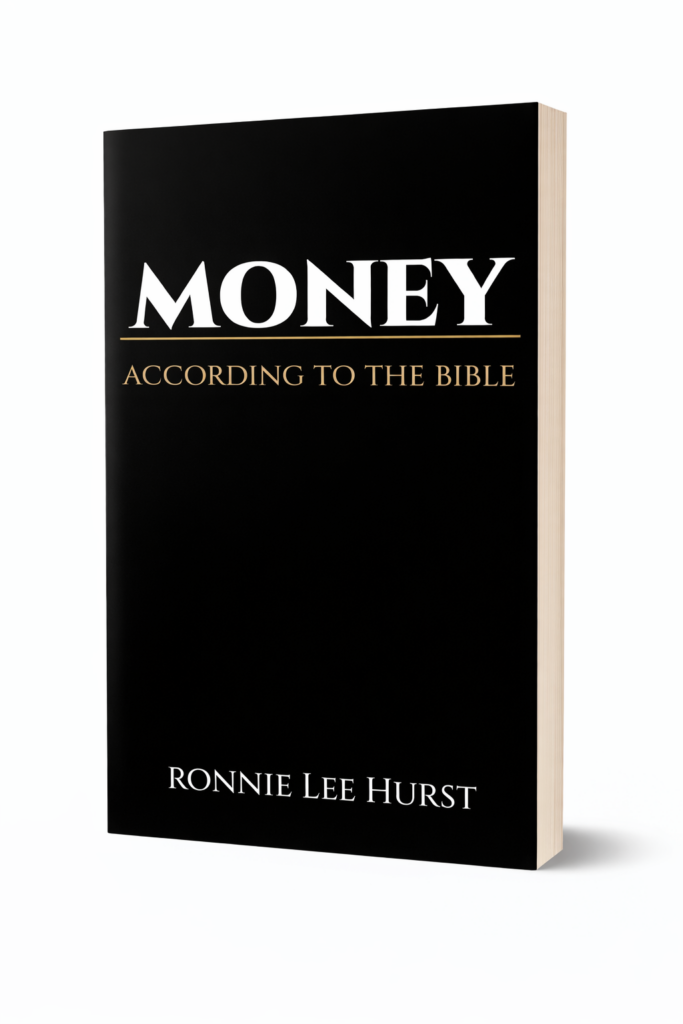
This article is adapted from the study Money — According to the Bible, a Scripture-first examination of what the Bible says about salvation.
Read the Complete Study
Stay Updated on New Studies
If you enjoy careful, Scripture-first studies like this one, you can join the According to the Bible readers list. You’ll receive a short email when new articles or books in the series are released.
Join the readers list
Continue Exporing
More studies examining common questions about Scripture are available on the Studies page.