Jesus taught that money reveals the heart. He warned that a person cannot serve both God and money, emphasized that treasure reflects what we love, and showed that wealth can become a barrier when it replaces trust in God.
Jesus on Serving God vs Money
Jesus addressed money directly in terms of allegiance.
“No man can serve two masters… Ye cannot serve God and mammon.”
Matthew 6:24 (KJV)
This is not a general warning. It is a dividing line.
Jesus presents money as something that competes for service. It is not just something a person uses—it can become something a person serves.
That is the starting point of His teaching. The issue is not possession, but who or what is ultimately obeyed.
This aligns with the broader question of 👉 What Does the Bible Say About Money?, but here Jesus brings it into sharp focus—service, not ownership.
Jesus on Treasure and the Heart
Jesus then connects money directly to the inner life.
“For where your treasure is, there will your heart be also.”
Matthew 6:21 (KJV)
This statement explains why money matters.
Treasure is not just what a person has—it is what a person values. Where money is directed, the heart follows.
Jesus does not separate financial choices from spiritual condition. He ties them together.
This makes money one of the clearest outward indicators of inward priorities.
Jesus on Riches and the Kingdom
Jesus also spoke about the difficulty wealth can introduce.
“…How hardly shall they that have riches enter into the kingdom of God!”
Mark 10:23 (KJV)
This is not a condemnation of wealth itself. It is a warning about what wealth does.
Riches can create independence. They can reduce the felt need for God. They can shift trust toward what is seen and stored.
This is why the danger is often misunderstood. The issue is not money itself, but what it produces in the heart—a point explored further in
👉 Is Money the Root of All Evil?
Jesus and the Rich Young Ruler
Jesus applied this teaching directly in His encounter with the rich young ruler.
“…Sell whatsoever thou hast, and give to the poor… and come, take up the cross, and follow me.”
Mark 10:21 (KJV)
The man walks away sorrowful.
Jesus does not give a universal command to all people here. Instead, He reveals the man’s specific condition.
The ruler’s wealth had become something he could not release. That inability exposed where his allegiance truly was.
Jesus brings the issue to the surface—not by condemning wealth, but by confronting attachment.
Jesus on Giving
Jesus also taught that giving reflects trust.
“Give, and it shall be given unto you…”
Luke 6:38 (KJV)
Giving is not presented as a transaction, but as a posture.
A person who gives freely demonstrates that their security is not tied to what they hold. It shows a willingness to release rather than grasp.
In this way, giving becomes evidence of where trust is placed.
Jesus on Stewardship
Through His parables, Jesus described money as something entrusted.
In these teachings, resources are given, managed, and later accounted for. The focus is not on how much a person has, but on how faithfully it is handled.
Money, in this context, becomes a test of responsibility. It reveals whether a person is trustworthy with what has been placed in their care.
Bringing It Together
Jesus did not reduce money to a simple rule.
Instead, He consistently returned to the same themes:
- Money competes for allegiance
- Treasure reveals the heart
- Wealth can hinder trust in God
- Giving reflects dependence on God
- Stewardship reveals faithfulness
Each teaching approaches the subject from a different angle, but they all point to the same underlying issue.
Where This Leads
What Jesus taught about money is not isolated from the rest of Scripture—it fits into a larger pattern that runs throughout the Bible.
Read the Full Story
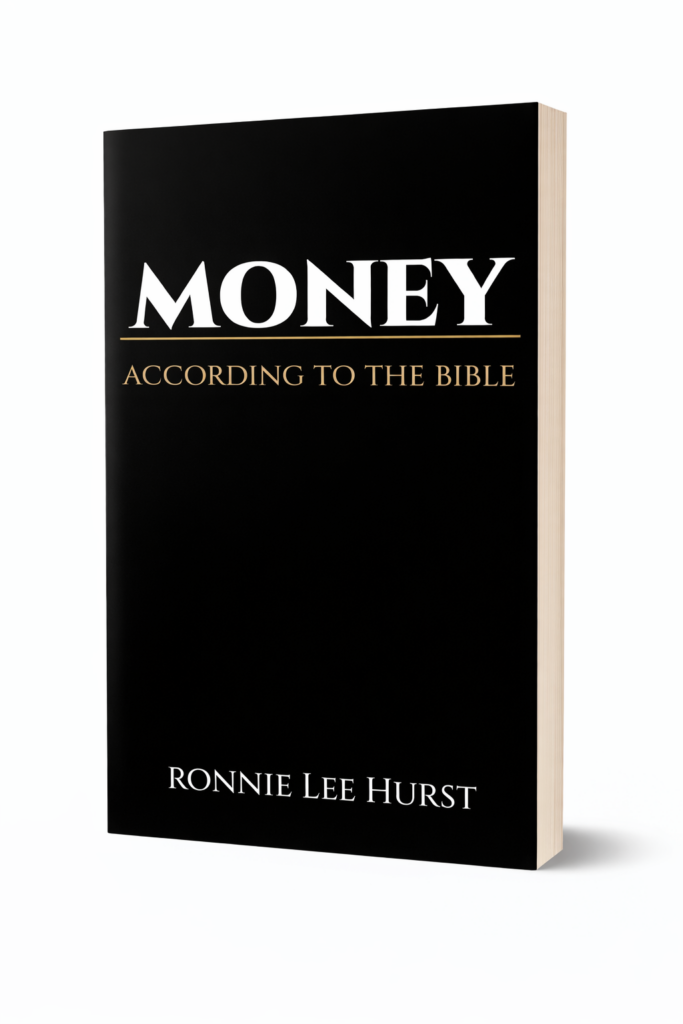
This article is adapted from the study Money — According to the Bible, a Scripture-first examination of what the Bible says about money and wealth.
Read the Complete Study
Stay Updated on New Studies
If you enjoy careful, Scripture-first studies like this one, you can join the According to the Bible readers list. You’ll receive a short email when new articles or books in the series are released.
Join the readers list
Continue Exporing
More studies examining common questions about Scripture are available on the Studies page.